The Issues
Why we must
rein in big tech
and boldly invest
in our schools.
The issues are complex
but not insurmountable.
Rein in big tech
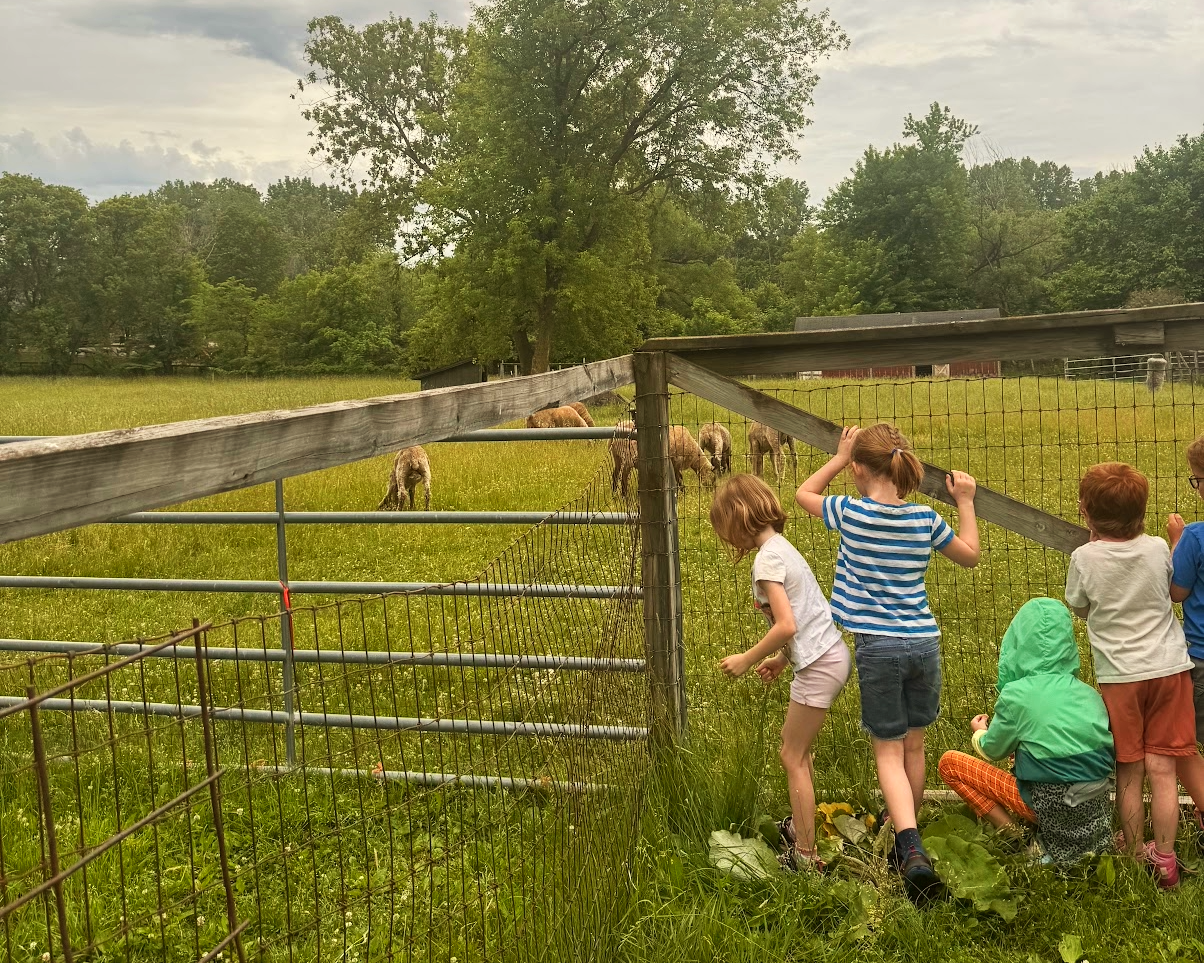
A growing body of research questions 1:1 device use in schools — yet we continue to introduce iPads with headphones starting in Kindergarten. Read more is coming soon »
EdTech in Classrooms
Special Education
Focus on Quality
Teaching vacancies, budget cuts, and disproportionality rightly capture attention. We must also focus on the quality and consistency of the education and experience that MPS delivers. Read more is coming soon »
Enrollment Decline
Focus on Growth
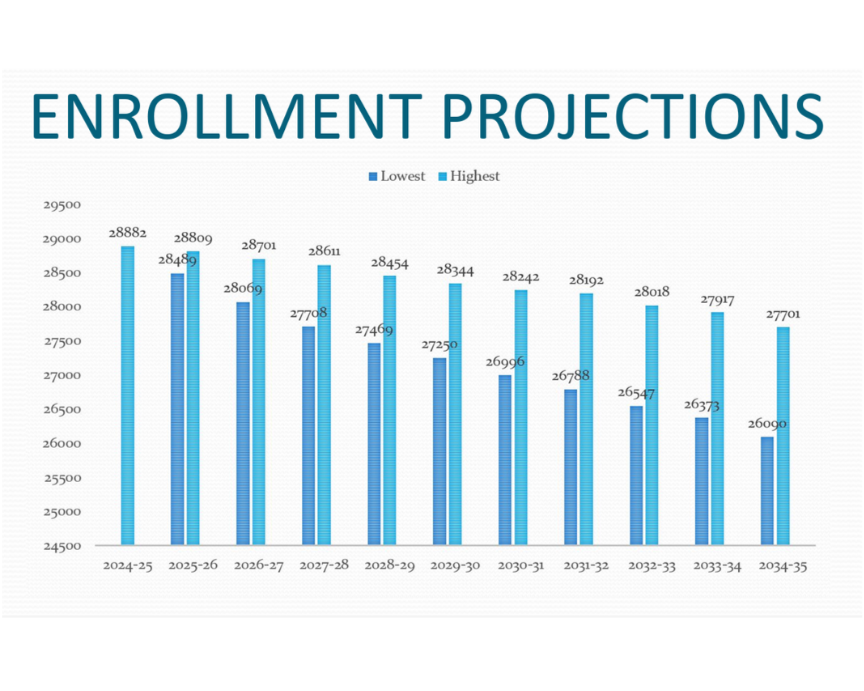
We must expect more than managed decline. Focus on retention and growth leads to better outcomes, now and in the future. When we gain a student, we gain a family. Family by family, we build our community schools. Read more is coming soon »
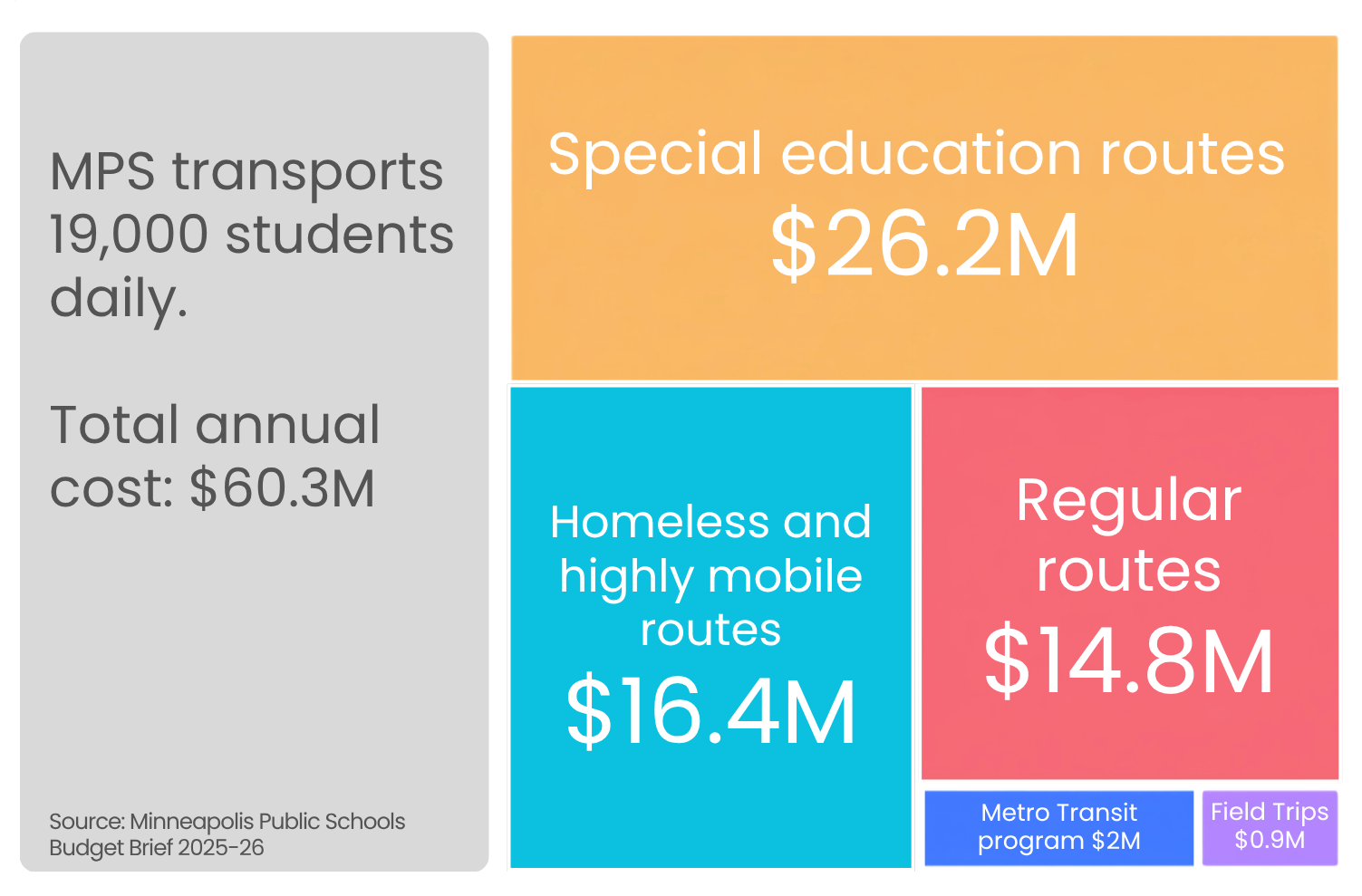
Financial Crisis
In-depth Oversight & Legislative Advocacy
From staffing to transportation to food, all costs are rising. All while state and federal dollars decline. Financial oversight and MN Legislative advocacy are two of the Board’s most important roles. Read more is coming soon »
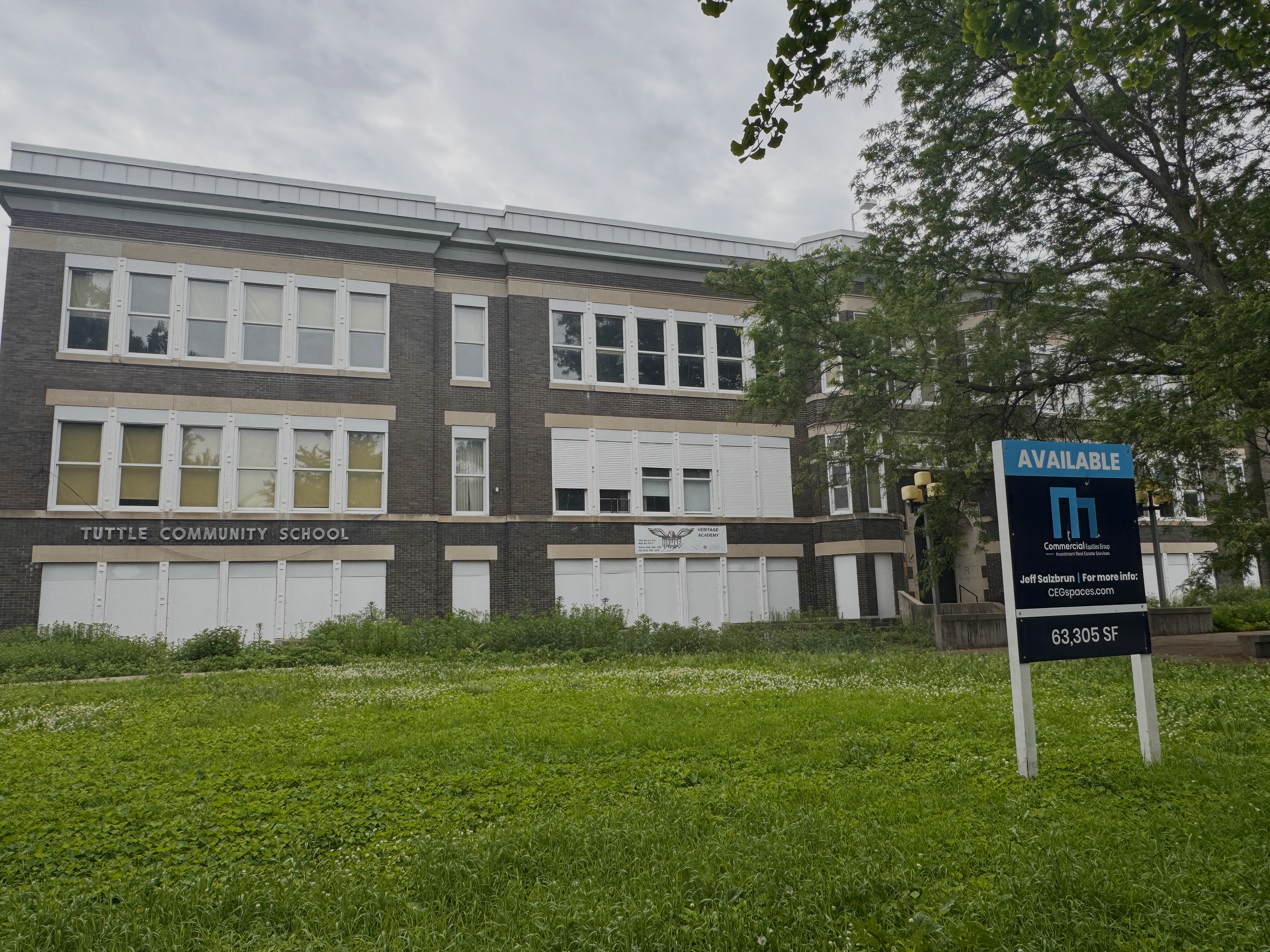
Transformation
Navigate Change
Board members elected this November will inherit Transformation, including potential school consolidation and closures. Responsible leadership will be essential in mitigating enrollment loss and potential negative effects on families and neighborhoods. Read more is coming soon »
School Safety
Prevent violence
MPS could be doing much more to prevent gun and other types of violence through education, more supports in middle and high school, and community building. Read more is coming soon »
To address MPS’s challenges, I offer:
An in-depth understanding of complex issues: historical, present, and future implications.
Experience in financial, policy, and organizational oversight.
Dedication to communication with constituents and MPS families.
A positive, longterm vision for Minneapolis Public Schools.
What I bring to the table
MN School Board Experience. I loved serving a 4-year term as a governor-appointed board director at Perpich Center for Arts Education (2020-2024). While there I:
Expanded free lunch and breakfast, increasing student opt-in rate for meals from approx 40% to 80%.
Chaired the Government Relations Committee.
Successfully advocated with GOP and DFL legislators to save Perpich from closure.
Attended and actively engaged in board meetings (40+) and committee meetings (30+), missing only 2 in four years.
Co-crafted meaningful annual board retreats that connected the board in shared vision and tactical next steps.
Track record of taking on extremely challenging projects that require community outreach and investment and working within confining structures. Examples:
825 Arts in Frogtown, a 15-year uphill project. I worked within the community to write a comprehensive plan that integrated: 500+ community member’s combined vision, foundation funding requirements, government funding requirements, individual fundraising efforts, capital fundraising feasibility plans, deferred maintenance plans, construction plans, and more.
Massive trash incinerator project adjacent to a densely populated area already hit hard by environmental injustice. This fight took approximately four years and involved persuasion of elected officials and the media, as well as coalition-building among neighborhoods.
15-years experience making boards more effective. I’ve worked with dozens of boards on building:
More effective financial dashboards
Designing and facilitating meaningful and productive working/planning sessions
Providing administration oversight that’s both respectful and effective
Managing conflict constructively while aligning around core values and goals
Budget oversight experience that’s extensive, including forecasting, tracking and auditing. Within a career that spans for-profit, non-profit, and governmental financial processes and reporting.
Independence. I’m running this campaign on my own, without either influence or support from outside organizations. No PAC is funding me. I’m not a secret Republican. (Yes, people have asked!)
TL; DR: I’m showing you what I’m promising. I work hard and I don’t mind an uphill battle.
Qualification details
-
Rigorous financial oversight is the heart of any board’s purpose. I come prepared to interrogate complex financial statements and forecasts effectively. More so thanks to well-rounded experience on all sides of the table: board member, organization leader/administrator, and staff.
Following is a brief overview of my financial management and leadership experience.
For-profit sector
I began my career forecasting and managing a $7M budget in a Fortune 500 company.
After leaving my corporate role, I supported a mission-driven startup with a comprehensive business plan, including detailed financials for building their $10M business.
Nonprofit sector
The nonprofit sector has different considerations for amortization and restricted/unrestricted funding. As Managing Director of Springboard for the Arts (2012-2016), my financial responsibilities included:
Forecasting and management of $1.7M operating budget across seven program areas
Stewardship of an additional $1.1M on behalf of 200+ fiscally sponsored arts organizations
Updating our financial reporting to support organization goals and add an additional layer of transparency for our board members
Working closely with the executive director, board, and a nonprofit financial leader to build the system that formalized use and sustenance of reserve funds
Providing full financial transparency and documentation to our annual auditors
Working closely with a board task force to undergo the best practice of periodically evaluating audit firms
Deeply understanding the complexity of philanthropic giving from private and governmental sources
Quickly getting up to speed on emerging challenges and opportunities, such as landlord responsibilities, establishing cooperative, managing taxes, and potential relevance of MNvest to artists.
Government sector
While my nonprofit work intersected with governmental advocacy and funding, it was as a board member of Perpich Center for Arts Education (2020-2024) that I became immersed in:
Minnesota’s two-year funding cycle (funding and bonding)
The complexity of state general education funding formula
The role of local levies in filling gaps (for which Perpich was not eligible)
How this relates to the Minneapolis School Board
Minneapolis Public Schools operate at a much larger scale, with projected expenses for FY27 as high as $769,246,516. I make no claim to having managed that size budget before. Few people have.
My decades-long track record of generating, evaluating, and poring over financials across sectors has given me valuable perspective. I know which questions to ask, and to keep asking.
-
In the past 15 years, I’ve worked with dozens of organizations, to remedy disconnects among board members, or between a board and organization leadership.
Almost every board requires a reset every now and then, especially as new people join and external pressures increase. Mutual respect for lived experience and expertise sets a solid foundation. With that foundation set, building a shared vision and next steps can come together with greater ease.
Board Health Indicators
Amongst board members, mutual respect for lived experience and expertise.
Strength of oversight with organizational leadership.
Micromanagement can be a danger among boards.
The more frequent issue is lack of separation and oversight of organization leadership.
Even with the most ideal org leadership, the board’s responsibility is to maintain perspective and oversight, separate from the administration.
In the case of an elected board, responsiveness and communication with constituents is part of leadership.
Currently, parents cannot reach the MPS Superintendent directly – or at least no contact information is provided.
Board members have access, and must represent their constituents.
Board members should offer clear and frequent opportunities for two-way communication with their constituents.
Board Director Experience
Perpich Center for Arts Education (governor appointed), Board Director and Governmental Relations Chair, 2020-2024
Huge Theater, 2011-2018
Harbor Theatre (program for high school students), 2011-2013
Dad’s Garage Theatre, 2008-2011
Mentor-E, founding board member, 2004-2007
PTO at-large board member at my kindergartener’s MPS elementary school
-
As founder and strategist for Mindaro, LLC, I support small businesses and nonprofit organizations with:
Goal Setting, Strategic planning, and Team Building that’s enjoyable, collaborative, and efficient
Community input gathering, and translation of vision into a detailed, actionable plan
Business Plans, including comprehensive risk analysis, market evaluation, and financials
Project design and management
Affordable systems streamlining, so staff can focus on mission (without AI)
Human resources development: coaching, establishing values and processes, and evaluating health care benefit options
Individual Fundraising: Engaging small donors meaningfully
Foundation and governmental fundraising: sifting through data to find new institutional funding sources; crafting compelling narratives and financials to secure grant funding
-
Through my work with Arts Advocacy, Moms Demand Action, and Perpich Center for Arts Education, I’ve:
Testified in favor of public education accessiblity before the education committee
Provided written testimony to the MN House and Senate
Shown up in person (and online during pandemic) for advocacy days
Organized scores of 1:1 meetings across GOP/DFL elected leaders
Personally arranged and met with several legislators and/or their staff, across party and geographic lines
-
Roughly in chronological order:
Public school education in Memphis and Atlanta
Local library volunteer (and eventual hire) starting at age 14
Scholarship student and student worker at the University of Georgia
AmeriCorps pilot program at College Park Elementary School in Atlanta, GA
Reading Tutor at Atlanta Public Schools (Elementary and Middle)
Co-launched and grew an employee program that engaged 2,000+ volunteers annually
Community Volunteer
Door knocking and canvassing for DFL candidates
Precinct Chair, Vice Chair service for my Ward
DFL Endorsement Convention Delegate
Parks and Libraries contributor
Homework Help Tutor at Nokomis Library
Moms Demand Action, volunteer and statewide leadership role (Communications)
PTO Board, very active at-large member
Mutual aid coordination and streamlined systems for delivering aid
Specific Examples
Values in Action
-
825 Arts in Frogtown, Saint Paul stands as a living, breathing monument to authentic community engagement and tenacity that defied all odds.
My work in 2015 bridged community vision with financial support from the City and large institutional funders. I put my financial, business planning, and creativity to work in protecting the community vision even as I made an airtight business case for the art center’s viability.
Institutional scrutiny was intense and community trust was tenuous.
That’s where I came in.
I rightsized estimates for construction that reflected community vision, for example, rejecting a stage curtain that would cost nearly $100K.
Scaled the operational budget and fundraising plans to match each other, including reserving ongoing funds so maintenance would not be deferred.
Provided a realistic plan for staffing, operations, marketing and more.
Performed a risk analysis on construction and other potential hurdles.
I presented the comprehensive business plan to all audiences, including community, funders, and City officials. I faced rounds of intense questioning from each.
With a few updates to the plan, the City came through with immediate funding to halt ongoing water damage. They also pledged additional investment that gave the community a chance to build.
Ultimately, the community raised $3.9M in public and private funding, realizing the arts space they’d envisioned all along. 825 Arts opened its doors in 2024 and continues to thrive.
I took on this intensely complex, challenging project fully aware it would be a years-long, uphill battle. When I believe in something, I commit fully and don’t stop until we succeed.
-
From 2011-2018, I served an unpaid, part-time role for an artist-led startup teater. As with what’s expected with the School Board, I worked this “part time” job in addition to my full-time work.
In those seven years, I brought a focus on community building, fundraising, methodical strategic planning. Plus straight-up persuasion. This work helped grow the organization’s annual budget five-fold (from $100K to $660K+).
I wrote and implement a series of detailed strategic plans with extensive financials. But my most impactful work was first listening intently to community and then translating our values into the systems required for a sustainable future. In this case, systems included:
Landing highly competitive state, regional and foundation grants.
Building trust with lenders and banks.
Securing a credit line that we never used, but hedged against an extinction event.
Lobbying elected leaders at the city and state level.
Translating community passion into an annual fundraising event that nearly broke GiveMN’s Give to the Max Day system. By 2017, we raised more than $65,000 from small donations (in the $5-$25 range), receiving contributions from every state in the U.S.
I did not do this work alone or in a vacuum. The theater was founded by talented and committed artists who offered excellent classes and performance opportunities. The theater attracted community investment, in part, by making sure everyone deeply felt what was true–they belonged.
-
From 2020-2024, I served as a governor-appointed Board Member for Perpich Center for Arts Education.
Perpich is a state agency that serves all Minnesotans with:
A two-year arts high school
A specialized arts education library
Professional development resources for all educators
During my four-year tenure:
I missed only one meeting (due to illness)
Chaired the government relations committee
Provided rigorous financial oversight, including requiring a change to the financial dashboard for greater transparency
Served on special projects as needed, including leading the charge on eliminating out-of-pocket expenses for families.
Working with the State Legislature
In my first years, the MN legislature was split. This left Perpich vulnerable to partisan attacks.
Several years prior, Perpich had been driven to the brink of closure. Though the organization had long since fully correct course, old perceptions lingered. This came to a head with a briefly worded MN legislative bill with one devastating goal: “Abolish Perpich.”
I led the board’s vocal and multi-pronged defense of Perpich.
When we could not stop the bill from being passed in committee, we kept going.
When the bill reached the floor for a vote, we kept going.
When we finally defeated the bill on the floor (yes!), we kept going.
We did not stop until we connected with each legislator, across party lines, and shored up our vulnerabilities to discourage a similar bill in the future.
Public education comes under attack on many fronts, though usually with more subtle language. I highlight this example as evidence of my full commitment and belief in working proactively and persuasively with city and state elected leaders.
-
Three miles from downtown Atlanta sits a 200-home neighborhood I called home for eleven years before moving to Minneapolis.
Due to its geography and small size, my old neighborhood came under attack from large corporate interests multiple times.
Whether I was serving as president of our neighborhood association at the time or not, I joined my neighbors in loudly and successfully pushing back against:
A massive trash incinerator planned for construction adjacent to a densely populated area already hit hard by environmental and racial injustice. This fight took approximately four years and involved persuasion of elected officials, the media, and coalition building among neighborhoods.
Environmental and health damage posed by a massive mound of improperly contained silica dust. This fight required approximately two years and imminent threat of a lawsuit. It ultimately resolved in our neighborhood’s favor.
My neighborhood did not win every fight. (I have a lot to say about data centers, for example.)
But we took on fights with enormous, powerful institutions that few would try. All of us, doing this work in addition to personal commitments and full time jobs. It never occurred to me that we wouldn’t. And it honed my instincts and clarity of focus.
Then and now, I bring not only financial rigor, but human connection, creativity, and fierce passion for making our Minneapolis Public Schools a destination.
Want to know more? Get in touch!
Let me know how to reach you and I’ll respond shortly.
Sending this form does not sign you up for anything, or obligate you. No spam.
I look forward to learning about your priorities for MPS District 5 and answering your questions!